Stopping $20K Monthly Failures at an Oregon Sawmill: How Hydraulic Contamination Control Transformed System Stability
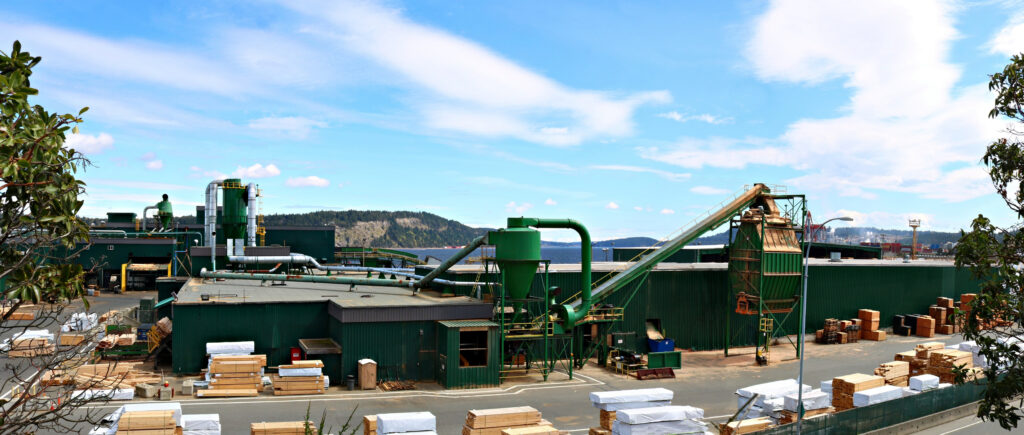
At a busy Oregon sawmill, servo valve failures had become a painful monthly routine. With each failure costing around $20,000, the operation was hemorrhaging money — and no amount of reactive repair work seemed to break the cycle. These valves are the heartbeat of hydraulic motion control, and contamination is their greatest enemy. Once contamination enters the system, the damage can be rapid, severe, and relentlessly expensive.
The sawmill needed more than repairs. They needed a long term hydraulic reliability strategy.
The Challenge: Persistent Servo Valve Failures Costing ~$20K per Month
Servo valves demand exceptionally clean hydraulic fluid to function properly. This sawmill was struggling with:
• Repeated contamination-driven servo valve failures
• Roughly $20,000 in losses every month
• Hydraulic power units (HPUs) compromised by dirty fluid
• Constant reactive maintenance, deteriorating reliability and morale
Hydraulic contamination is one of the fastest ways to destroy precision components. GRS specializes in preventing exactly these problems through filtration, sealed-system upgrades, and continuous monitoring — essential tools for eliminating failure patterns before they begin.
What GRS Delivered: A Contamination-Control Strategy That Stopped Failures Cold
Guardian Reliability Services stepped in with a focused approach aimed at restoring hydraulic integrity and keeping it clean.
1. Auxiliary Filtration Systems
GRS installed high efficiency offline filtration units to continuously remove particulate contamination and moisture, ensuring fluid cleanliness stayed within spec.
Auxiliary filtration is a core GRS capability used across heavy industrial environments, providing constant fluid conditioning without interrupting operations.
2. Sealed System Hardware Upgrades
To prevent contamination from entering the hydraulic circuit, GRS replaced vulnerable components with sealed, reliability-focused hardware. This improved system integrity and reduced airborne moisture and particulate ingress.
3. Real-Time Monitoring & Trending
GRS implemented continuous contamination monitoring, giving the sawmill visibility into hydraulic fluid condition and allowing early intervention before failures occurred.
This aligns with GRS’s broader expertise in condition-based maintenance and diagnostics, helping facilities transition from reactive to predictive maintenance.
4. Proactive Maintenance Support
GRS technicians provided ongoing guidance, review of trends, and mentoring to help the mill shift toward a reliability first maintenance culture.
This technician driven support is a cornerstone of GRS’s service philosophy.
The Results: Zero Failures for 24 Months
Within months, the sawmill saw dramatic improvements — and the long term transformation was even more impressive:
• Zero servo valve failures for 24 consecutive months
• ISO cleanliness maintained within specification
• Monthly cost impact dropped from ~$20K to $0
• A cultural shift toward predictive, not reactive, maintenance
The savings were enormous. The stability was even more valuable.
Customer Testimonial
“We were bleeding $20K a month in servo valves. Since Guardian stepped in and reworked our HPUs, we haven’t lost a single one. They didn’t just fix our equipment — they changed the way we maintain it.”
A Question for Your Operation
What would it mean for your operation if your most expensive recurring failures simply… stopped happening?
And how much money would you recover if contamination related failures went from monthly events to distant memories?
If hydraulic contamination is causing recurring failures or escalating costs, GRS can help you restore system integrity and implement a proactive contamination control strategy.
Let’s protect your hydraulic systems — and your budget.