Transforming Fleet Maintenance Through Proactive Filtration: How a Construction Company Broke Free from Reactive Repairs
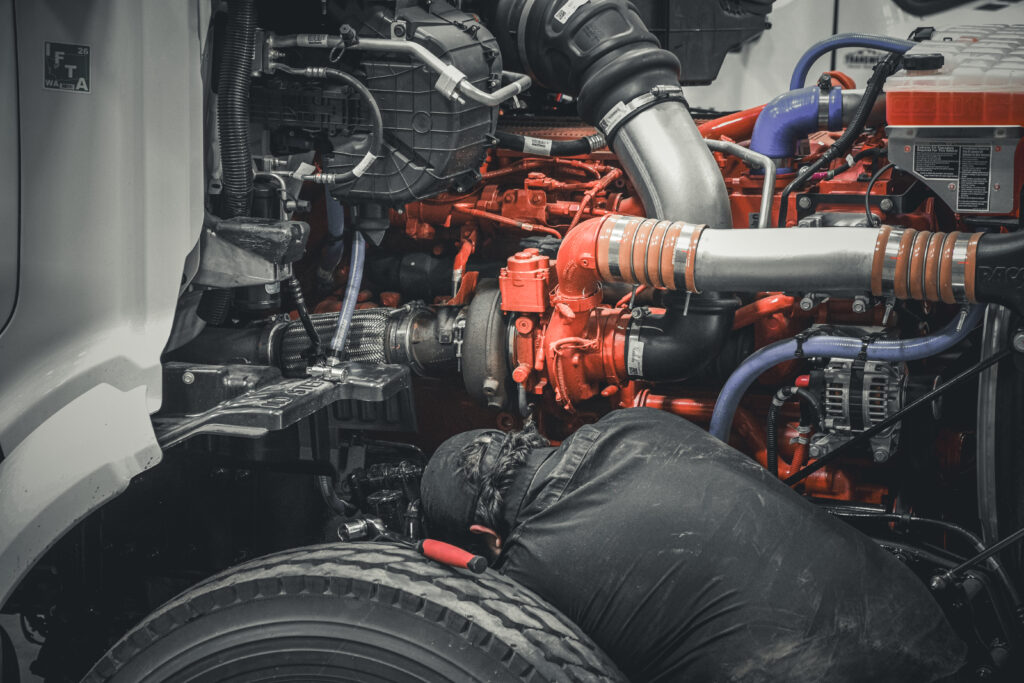
Construction and infrastructure fleets operate under constant pressure. Machines are pushed hard, schedules are tight, and downtime can ripple across an entire project. One major construction organization found themselves trapped in a cycle all too common in heavy equipment fleets: reactive repairs, rising costs, and component life that kept shrinking year after year.
Increasing fuel and oil contamination was silently eating away at their reliability. They didn’t just need cleaner fluids — they needed a cultural shift toward proactive, condition-based maintenance.
The Challenge: Rising Costs and Short Component Life
Despite a highly capable team, the fleet battled several persistent problems:
• High fuel and oil contamination, leading to repeated wear
• Escalating repair costs and unpredictable downtime
• Shortened component life, increasing capital pressures
• A deeply reactive maintenance cycle, making planning difficult
Every time a repair seemed under control, another failure appeared. Contamination — the root cause of most mechanical damage — was driving a costly loop of breakdowns, rebuilds, and replacements.
This is exactly where GRS’s contamination control and lubrication expertise is designed to make an impact: extending equipment life, slashing downtime, and aligning maintenance with real world system conditions.
What GRS Delivered: A Full Shift Toward Proactive Maintenance
Guardian Reliability Services partnered with the construction company to break the reactive pattern and build a reliability program rooted in control, clarity, and consistency.
1. High Efficiency Filtration Across Equipment and Bulk Tanks
GRS installed precision filtration systems designed to remove the ultrafine particulates and moisture that traditional OEM filters miss. Cleaner fluids = longer component life.
2. Diesel Polishing and Bulk Fuel Conditioning
Fuel contamination was a major reliability risk. GRS implemented high-strength fuel polishing and tank system improvements — directly aligned with their capabilities in fuel quality restoration and tank upgrades.
3. Ongoing Data Analysis
With routine sampling and trend monitoring, the maintenance team could see issues forming long before a failure occurred. Data replaced guesswork.
4. Condition Based Decisions
Maintenance intervals were recalibrated based on actual fluid health, not fixed hours or assumptions.
5. Support in Building a Proactive Culture
GRS didn’t just install equipment — they coached the team, reviewed results, and helped shift their mindset toward long-term reliability.
This hands on, technician-driven support is central to GRS’s service model across filtration, lubrication, and hose services.
The Results: Lower Costs, Higher Uptime, and Longer Life
Once contamination was controlled and maintenance was aligned with real equipment conditions, the transformation was dramatic:
• Increased oil life by upwards of 50%
• Unplanned repairs and failures dropped significantly
• Component life was extended across the fleet
• The team gained confidence running equipment past 25,000 hours with minimal large failures
Fewer failures didn’t just improve reliability — they freed up time, budget, and workforce capacity across the entire operation.
Customer Testimonial
“This process has led to dramatic decreases in our overall maintenance and repair expenses. I give Guardian Reliability Services a strong endorsement as a value-add partner you can count on to do the right thing.”
A Question for Your Operation
How much of your current maintenance budget is spent fighting failures caused by contamination — failures that could be prevented with the right proactive strategy?
If you could cut unplanned repairs in half, what would that mean for your uptime, staffing, and margins?
If rising repair costs or reactive maintenance is limiting your fleet’s performance, GRS can help you design a proactive filtration and fuel quality strategy that reduces failures and extends component life.
Let’s build a more reliable fleet together.