How One Aggregate Fleet Broke the Cycle of Premature Wear Through Smarter Filtration
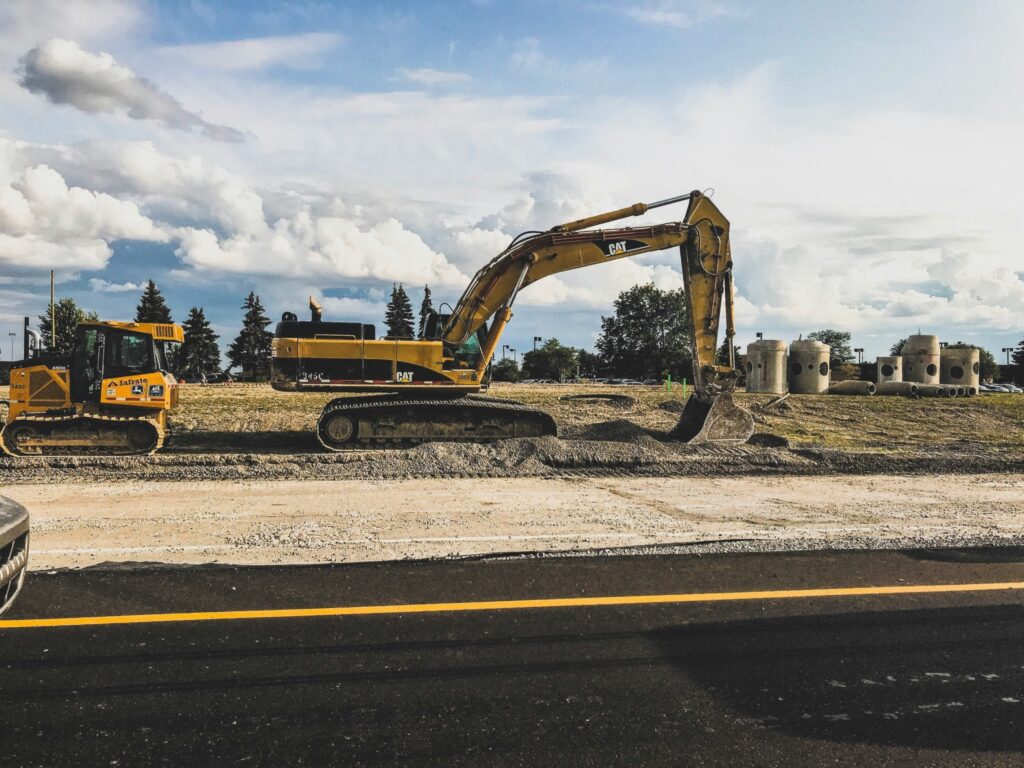
In high demand aggregate environments, the pace of work is relentless. Machines load, haul, lift, and maneuver from dawn to dusk — often beyond their designed limits. For one large aggregate operation, that constant pressure was taking its toll. Oil broke down far too quickly, components wore prematurely, and maintenance never seemed to line up with reality on the ground. What they needed wasn’t more frequent service—it was a different strategy altogether.
The Challenge: Unpredictability, Premature Wear, and High Maintenance Burden
The operation managed a diverse fleet of equipment (wheel loaders, excavators, and trucks). Despite disciplined PMs and a capable team, they were stuck in a loop:
• Oil that degraded long before scheduled intervals
• Maintenance that felt reactive, not proactive
• Wear showing up earlier than expected
• Limited visibility into fluid condition between services
Even modest contamination — the root cause of most mechanical failures — can accelerate oil oxidation and component wear. And without real time insight, the team was forced to make expensive decisions based on assumptions rather than data.
Operations like this are exactly why Guardian Reliability Services exists: to remove guesswork, extend equipment life, and reduce downtime. Our approach is built on the principle that 82% of equipment failures are preventable, and the right contamination control strategy can capture those savings.
The Solution: Bypass Filtration + Condition Based Maintenance
GRS implemented a reliability program tailored to how the fleet actually operated — not just how it looked on paper. The strategy included:
Auxiliary Bypass Filtration on Key Assets
Bypass filtration removes ultra fine particulates and moisture at a rate far beyond what OEM full flow filters can handle. Cleaner oil means longer life — for both the lubricant and the machine.
Performance Trending & Condition Monitoring
Routine sampling and trend analysis replaced guesswork. Instead of waiting for problems to surface, the team could now see degradation patterns forming long before failures occurred.
Condition Based Maintenance Framework
Oil changes were no longer dictated by the calendar. They were driven by fluid condition, contamination levels, and system health.
Ongoing Reliability Partnership
This wasn’t a one time install. GRS provided continuous support, diagnostics, and optimization — the same hands on guidance that defines our field service approach across filtration, lubrication, and fluid reliability programs. [wilcoxandflegel.com]
The Results: Less Downtime, Cleaner Oil, Better Decisions
The shift was immediate and measurable:
• Oil life increased significantly, reducing overall consumption
• Fleet reliability improved, with fewer wear-related failures
• Maintenance became predictable, not reactive
• Long term costs dropped, driven by cleaner operating conditions
• Decisions were now data-backed, not assumption-driven
By attacking contamination at the source and aligning service with real-world conditions, the operation finally gained control of fleet health.
Customer Feedback
“We highly recommend this approach to any organization looking to improve equipment health and reduce downtime through proactive maintenance.”
A Question for Your Operation
If you looked back over the last year, how many of your “unexpected” failures were actually caused by unseen contamination — not operator error, not bad luck, but preventable fluid degradation?
And what would it mean for your fleet if those failures simply stopped happening?
If premature wear or unpredictable oil life is impacting your fleet, GRS can help you implement a filtration and condition-based maintenance strategy tailored to your equipment.
Let’s talk about getting your fluids clean — and keeping them that way.