Eliminating Fuel Related Failures in Logging Operations: How One Fleet Stopped $400K in Contamination Losses
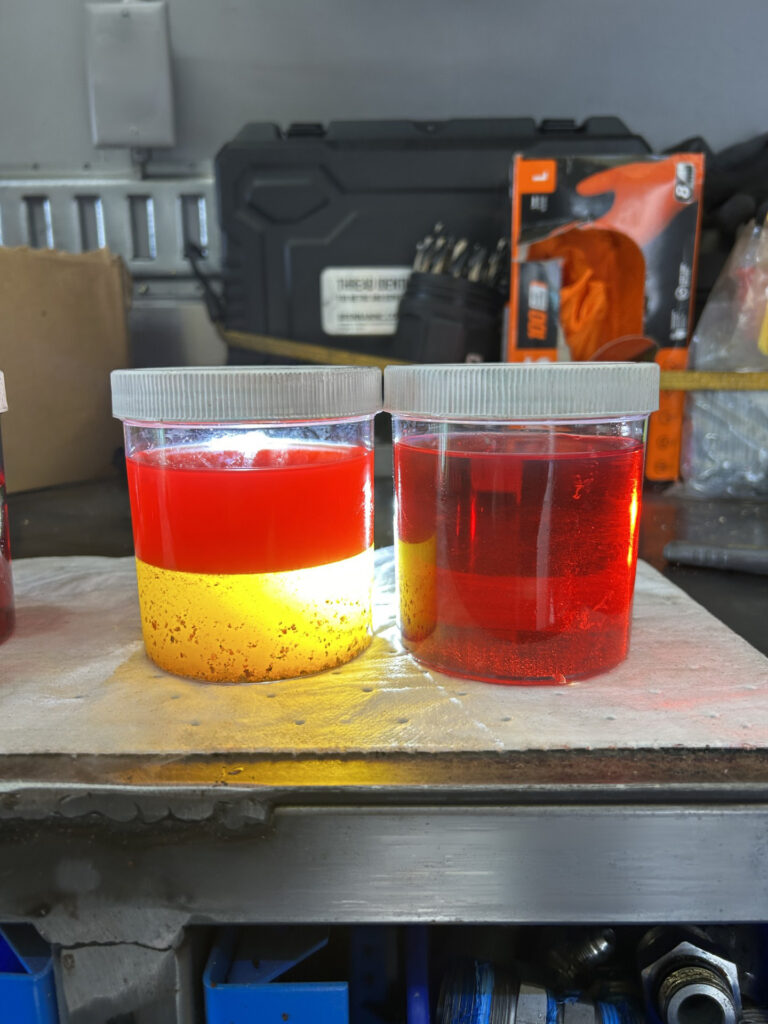
Logging equipment operates in one of the harshest environments imaginable. Remote locations, variable fuel sources, temperature swings, and heavy debris all increase the risk of diesel contamination. For one logging operation, these risks became extremely costly. Fuel related failures escalated to more than $400,000 in losses — and the downtime, frustration, and operational hit were even more painful.
They needed a partner who could stop contamination at the source, protect their engines, and help bring lasting reliability back to their operation.
The Challenge: Fuel Contamination Costing Over $400K
The fleet struggled with severe, recurring issues tied directly to inconsistent diesel quality:
• Repeated fuel related failures across trucks and equipment
• OEM filters clogging far too quickly, causing shutdowns
• Hundreds of thousands lost in parts, service, and downtime
• Low operator confidence in the fueling process
The problem wasn’t the equipment — it was what the equipment was consuming. Diesel contamination (water, microbial growth, particulates) destroys injectors, pumps, and high-pressure systems faster than most teams realize.
This is why GRS’s fuel quality restoration and contamination control capabilities are foundational: clean fuel protects fleets, extends component life, and stabilizes operations.
What GRS Delivered: Systemwide Diesel Contamination Control
Guardian Reliability Services implemented a comprehensive, multilayer strategy to eliminate the root causes of fuel-related failures.
1. Auxiliary Filtration on Trucks and Equipment
GRS installed high efficiency auxiliary filtration systems that removed the ultrafine particulates and moisture traditional OEM filters can’t capture. This drastically extended filter life and reduced injector wear.
2. Fuel Infrastructure Upgrades
Clean fuel begins at the source. GRS upgraded site fueling assets to reduce contamination entering equipment.
This aligns with GRS’s broader capabilities in fuel polishing, tank upgrades, and bulk storage contamination control — all designed to ensure fuel integrity before it reaches the machine.
3. Ongoing Diagnostics and Support
The team didn’t just install equipment; they stayed engaged through continuous diagnostics, contamination trending, and maintenance guidance.
This technician-driven support model mirrors the GRS approach across filtration, lubrication, and hose services: hands-on reliability partnership.
The Results: Zero Failures — and Zero Doubt
After implementing GRS’s contamination control strategy, the transformation was dramatic:
• Over $400K in historical failure costs effectively eliminated
• OEM fuel filters lasted significantly longer, reducing consumable spend
• No downtime linked to contamination, a total reversal of previous patterns
• Operators regained confidence in the fueling process
The system didn’t just improve reliability — it restored trust across the entire operation.
Customer Testimonial
“Before Guardian, we spent over $400K dealing with fuel failures. Since the new systems were installed, I haven’t had a single issue I could tie to fuel — and we barely even touch our OEM filters anymore. The systems just work.”
A Question for Your Operation
If fuel contamination disappeared from your fleet tomorrow, how much downtime, frustration, and repair expense would go with it?
And what would it mean to run your equipment, knowing your fuel is finally clean and consistent?
If fuel contamination is costing you time, filters, injectors, or money, GRS can implement a contamination control strategy that stops failures at the source.
Let’s protect your fleet from preventable fuel damage.